Two homes can have the same square footage, the same finishes, and the same asking price, and still leave buyers with completely different feelings the moment they walk through the door. One gets eight offers. The other sits. That gap has less to do with paint color than most sellers think.
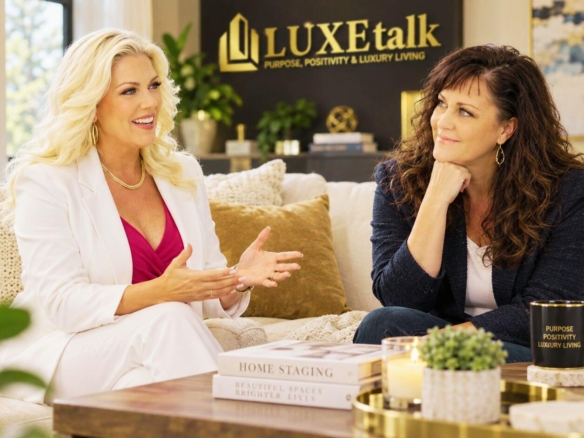
On my podcast, LUXEtalk, I had the pleasure of sitting down with Claudette Rowley of Claudette Rowley Design, founder of her namesake design firm and creator of the WIRED Method, to unpack why that happens. Claudette brings a background in social work and executive coaching into her design practice, which is part of what makes her perspective on homes so different from a typical designer’s.
Her insights are meant to help homeowners, agents, sellers, and buyers understand the invisible layer of a home that decides whether it feels like a sanctuary or just square footage.
Here’s a preview of that episode:
Why I Had This Conversation
I’ve walked into homes that were objectively stunning and still felt cold. I’ve also walked into modest homes that made me want to stay all day. As an agent, I see that reaction shapes offers.
Claudette’s path into design wasn’t typical. She spent years as a social worker, then ran a coaching practice for two decades before shifting into interior design about five years ago. That background is exactly why her approach centers on nervous system regulation rather than trends alone.
Watch the full episode here:
The Science Behind Why Some Homes Feel Right
Claudette’s work is built on neuroaesthetics, a field that studies how our brains physically respond to our surroundings. The idea is simple: certain patterns calm us, and others quietly stress us out, whether we notice it or not.
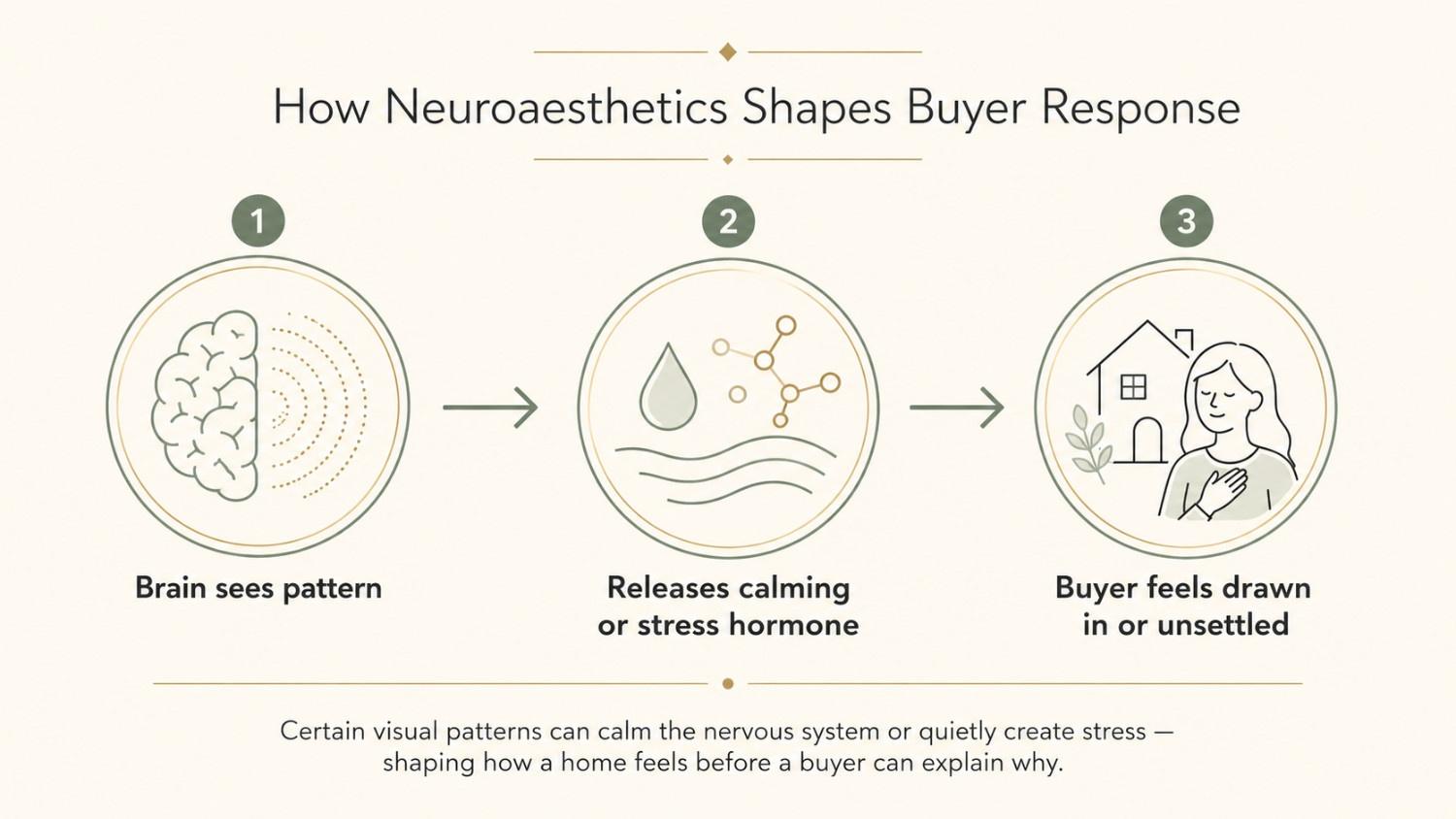
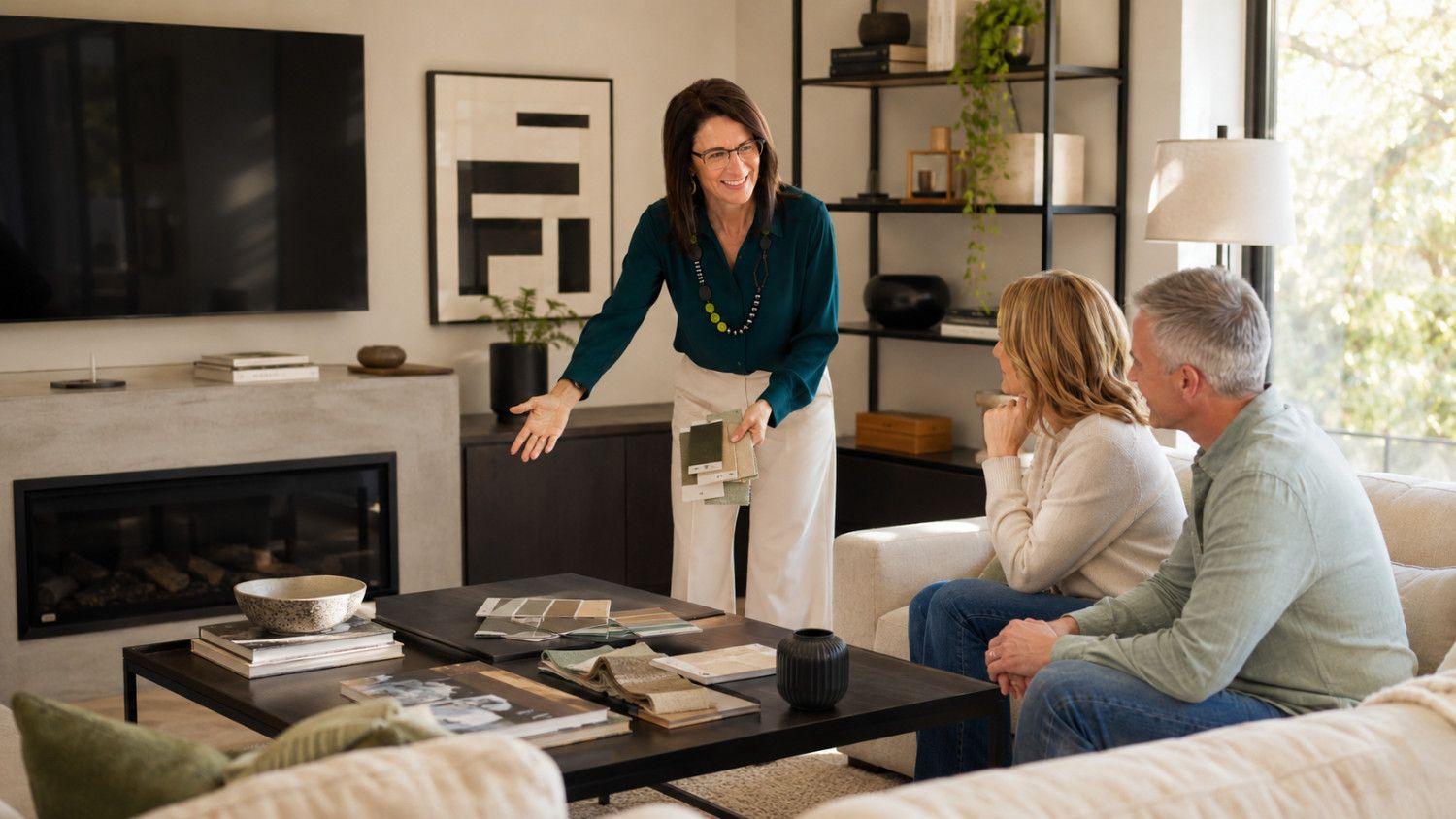
She calls her overall approach “wellness-first design,” and it starts before a single paint chip gets chosen. Every client engagement begins with a deep-dive interview built around one question: How do you want to feel in this space?
From there, she and the client land on what she calls a “guiding vibe,” something like peaceful joint connection or sophisticated cheer, and every decision afterward gets checked against it.
What the WIRED Method Really Means
This is where Claudette’s signature framework comes in. The WIRED home design concept stands for Wellness, Energy, Rhythm, Intention, and Delight, and it’s the structure behind that initial interview and every decision that follows it.
“You come into a home, and there’s something about it. When a home goes over, you have a bidding war of eight offers. There’s something about that house that people are drawn to.”
That’s the piece most sellers miss. They assume a bidding war is about price strategy or timing. Claudette’s point is that the house itself is doing emotional work on the buyer before logic even enters the room.
The Small Design Shifts That Change Everything
Some of Claudette’s most useful advice isn’t expensive. She pointed out that nature has almost no straight lines, so homes full of hard right angles can feel subtly rigid. Adding one curved mirror, a round pillow, or an arched piece of art gives the eye somewhere to rest.
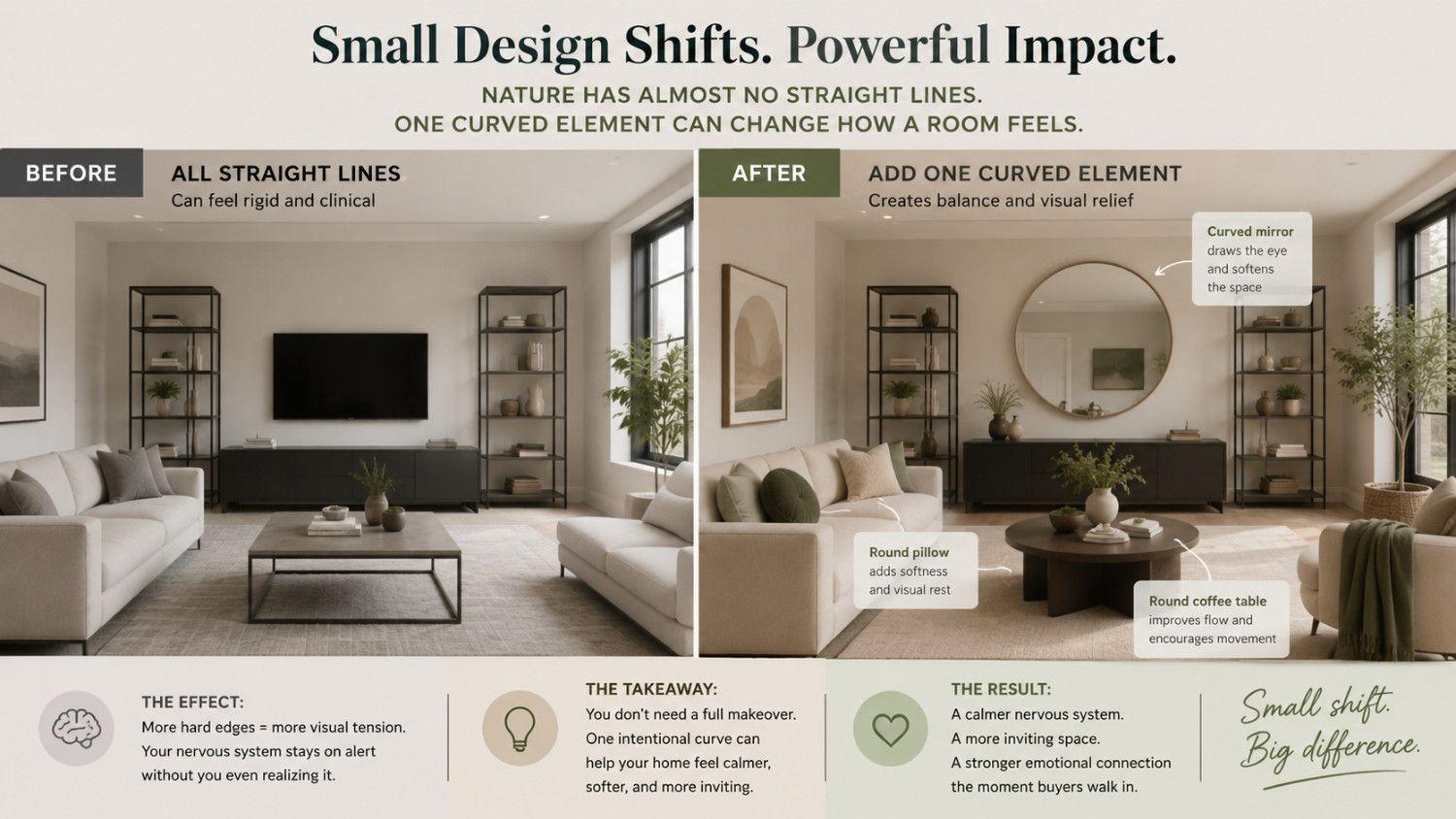
This connects directly to biophilic design, which simply means bringing patterns of nature indoors, whether that’s a plant, natural wood, or woven textures. Claudette noted that we spent the vast majority of human history outdoors, which is part of why these elements register as safe to us on a biological level. She’s also seen the color story shift over the past year, moving away from the all gray-and-white palette toward warmer wood tones and greens.
None of this replaces the fundamentals I already coach my sellers on. Clearing clutter still matters, and getting a home ready properly through home staging is still one of the highest-return steps before listing.
Wellness-Driven Staging vs. Traditional Staging
I asked Claudette directly how wellness-based staging differs from the traditional version, since it’s a question I get from sellers constantly. Her answer wasn’t a total overhaul of the standard playbook; it was an added layer on top of it.
“It felt great to be in there because of so many of the decisions they had made with their decor and how they staged it. There was no clutter anywhere, surfaces were very clear, and it was clear that everything was very thoughtfully arranged.”
She was describing the home she and her husband bought this year, which drew five competing offers, even though it wasn’t decorated to her personal taste. That’s the distinction: it’s less about matching someone’s exact style and more about arranging a space so a stranger’s nervous system relaxes the moment they walk in.
When I’m previewing luxury properties in Washington with clients, this is exactly the layer that separates a home that gets remembered from one that blends into the day’s showings.
What Changed for Me After This Conversation
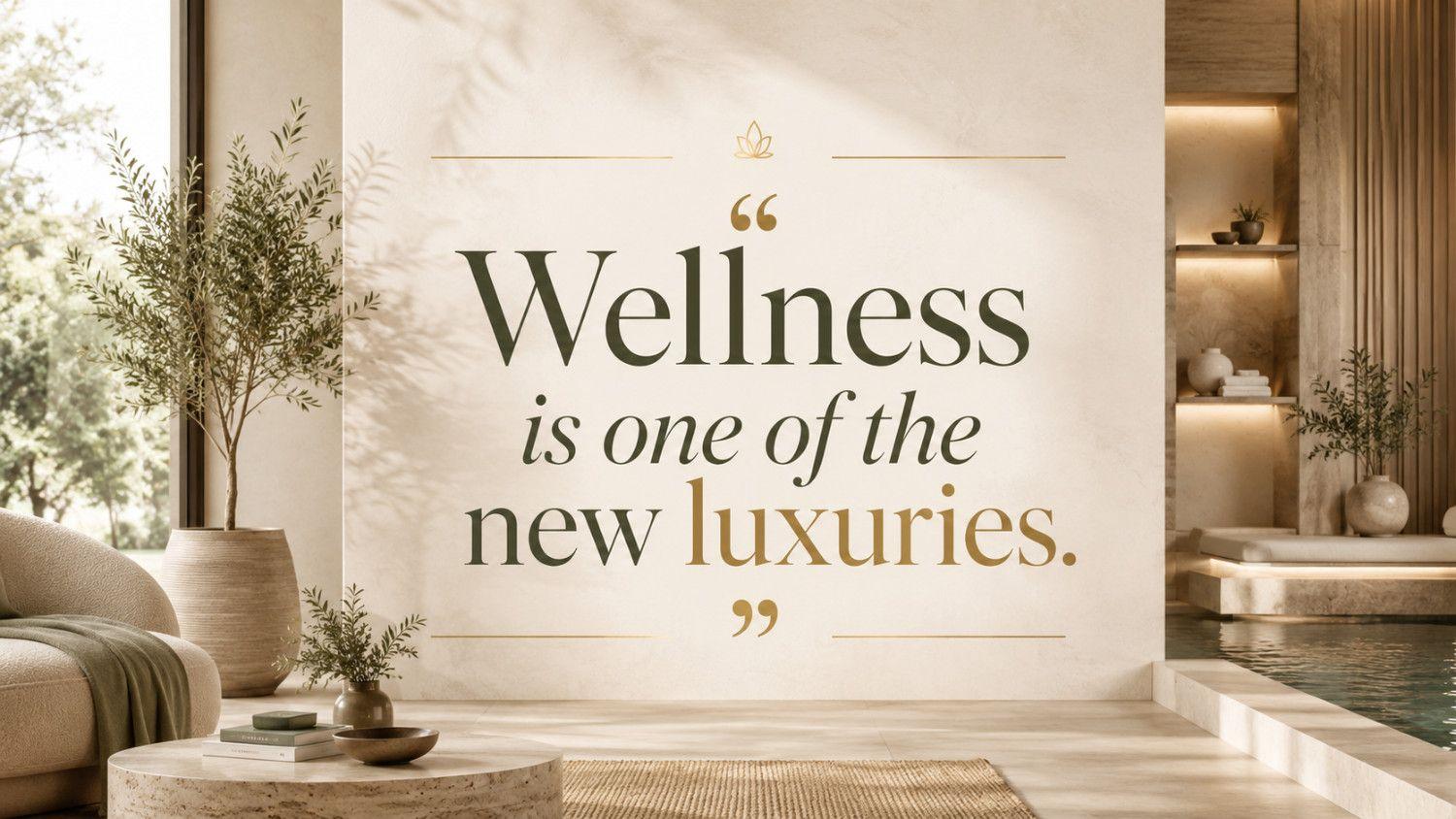
That line stuck with me. I now walk through listings asking a different question before I ever think about staging: What is the actual experience of walking through this house, room by room, as someone who has never seen it before?
Claudette also changed how I think about high-end buyers specifically. It’s not just about a home theater or a wine room anymore. Buyers are asking for yoga studios, meditation spaces, and rooms built around how they want to feel, not just what they want to show off. That intentionality is becoming a real differentiator in how luxury homes are marketed and sold, and it’s shifted how I frame certain listings with sellers before we even start conversations about pricing.
Want to hear my full conversation with Claudette Rowley of Claudette Rowley Design to learn the science behind homes that truly feel right?
Frequently Asked Questions
What is the WIRED Method in interior design?
It’s Claudette Rowley’s framework, standing for Wellness, Energy, Rhythm, Intention, and Delight, used to guide every design decision back to how a client wants a space to feel.
Can wellness-first design help a home sell faster?
Claudette’s approach suggests it can, since buyers respond to nervous system cues, like natural curves, balanced color, and reduced clutter, often without consciously realizing why a home feels “right.”
Is biophilic design expensive to add to a home?
No. Claudette points to simple additions, like plants, natural wood accents, or woven textures, as effective, low-cost ways to bring nature indoors.
Apply as a Guest on the LUXEtalk Podcast
Luxury real estate is being redefined by conversations just like I had with Claudette. If you’re a designer, agent, builder, or wellness expert with insight worth sharing, I’d love to have you on my show!
LUXEtalk is produced by Icons of Real Estate, the #1 Real Estate Podcast Network. If you are a real estate professional, apply to be a guest speaker across the network!